Key takeaways
- Water softens the base and breaks asphalt apart.
- Slope should move water off the surface and away from buildings.
- Inlets, culverts and trench drains handle larger flows.
- Gutters and downspouts should not discharge onto pavement.
How water damages pavement
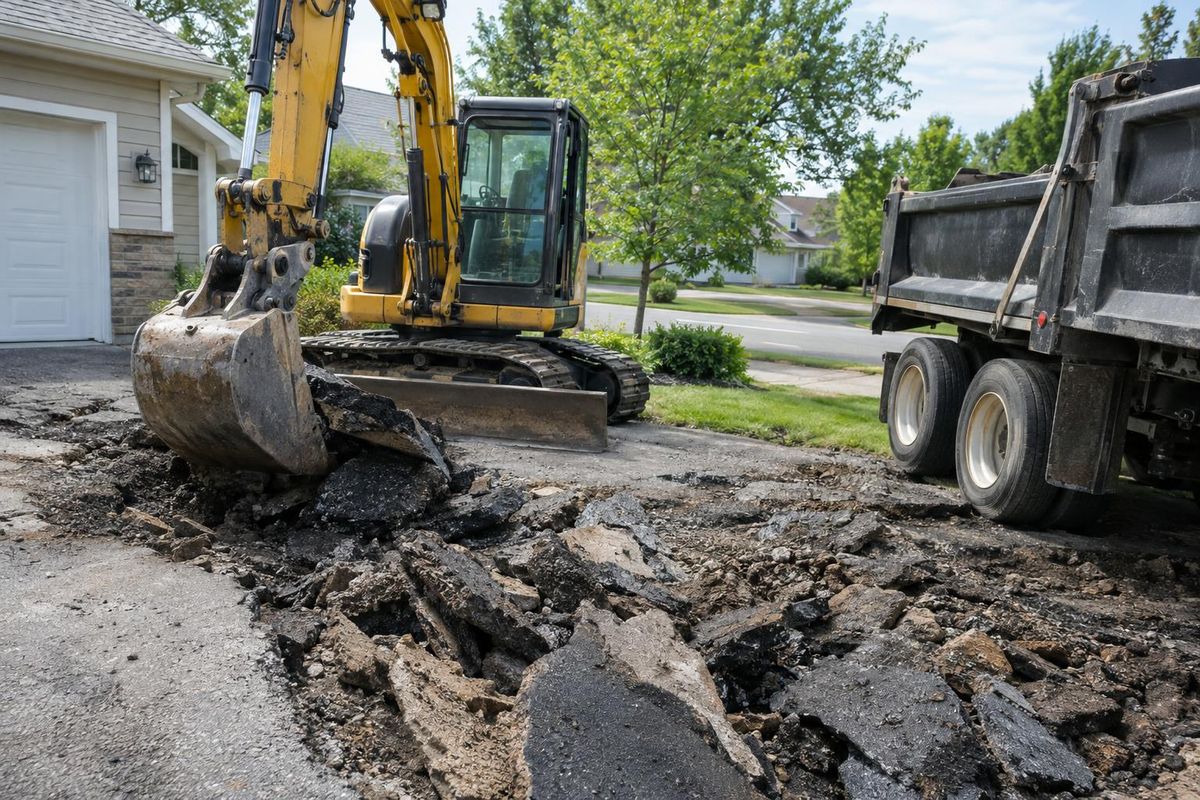
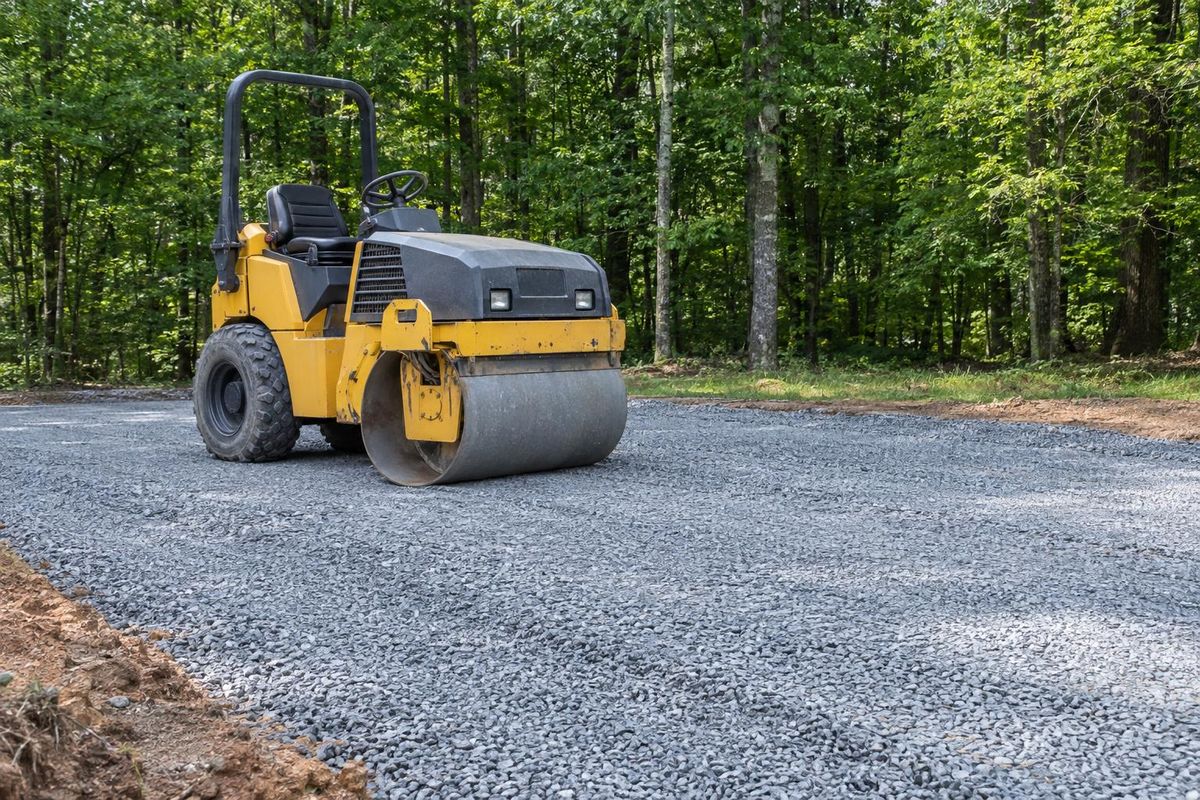
Water enters through cracks and low spots, softens the stone base and soil, and loosens the bond between asphalt and stone. Traffic then pumps the wet base, creating potholes and alligator cracking. In winter, freezing water expands and pushes pavement apart.
That is why even a well-built surface can fail early if water has nowhere to go.
Slope and grading
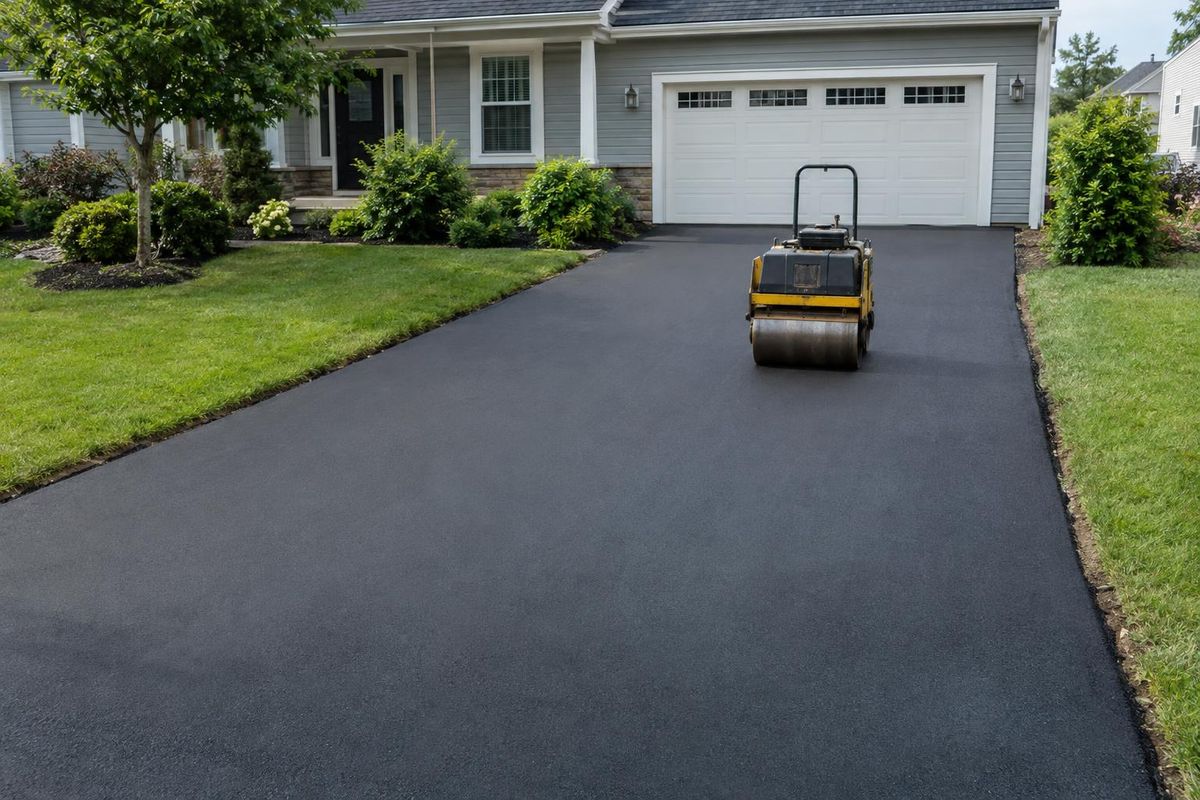
Pavement should be sloped so water leaves the surface, typically with a small fall of a fraction of an inch per foot. Flat areas and birdbaths hold water. Driveways should slope away from the garage and house, and lots should drain to inlets, curbs or swales.
Regrading and patching low spots can fix many ponding problems.
Structures that move water
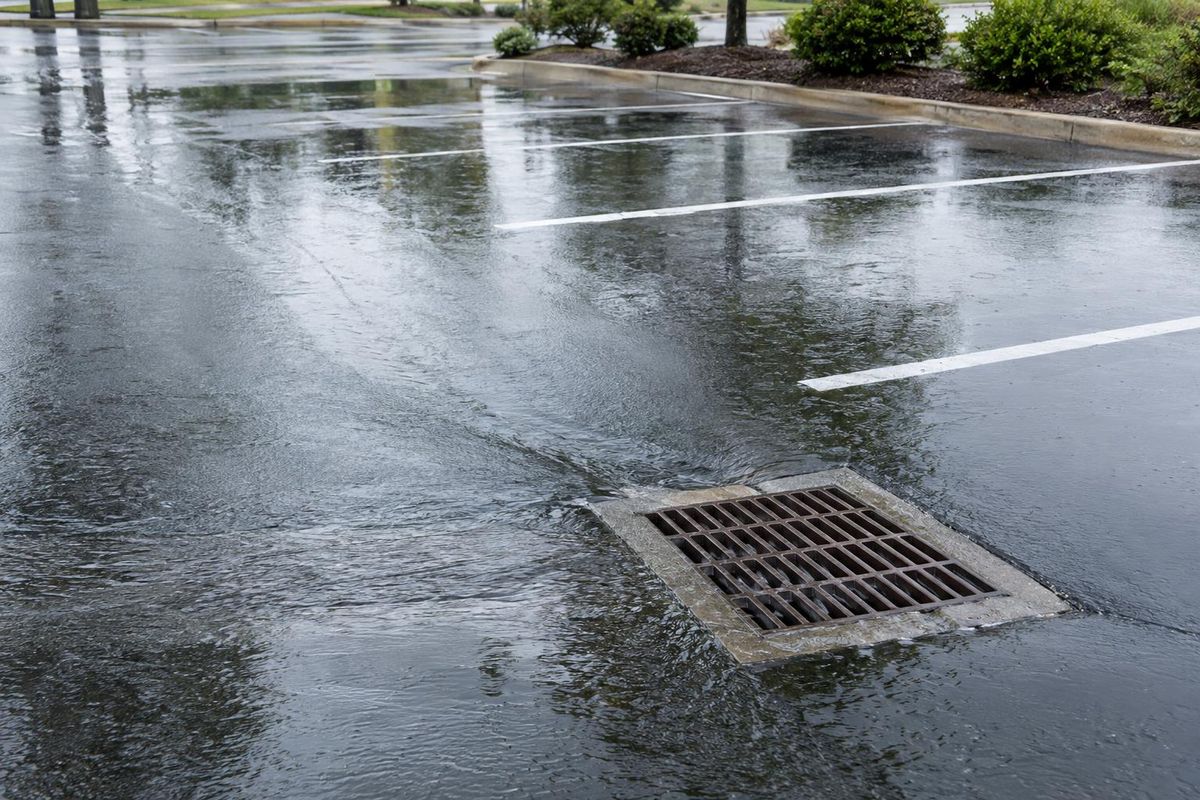
Catch basins and inlets collect water at low points. Culverts carry it under drives. Trench drains catch it across entrances. Curbs and gutters guide it along edges to where it can leave the site.
Large lots should have a drainage plan, and every paving project benefits from asking where the water will go.
Roofs, downspouts and landscaping
Downspouts that empty onto driveways soak the edge and base. Landscape beds that slope toward the pavement wash soil and mulch onto it. Directing water away helps the pavement last.
We point out these issues during estimates, because small changes make a large difference.
Quick answers
Why does water stand on my driveway?
Most often a low spot or insufficient slope. Patching, overlaying with corrected slope or adding a drain can fix it.
Can a paved driveway cause flooding?
It can speed runoff, so we plan where the water goes, including swales or drains if needed.
Do I need a permit for drainage work?
Larger projects and connections to public systems may need permits. We explain what to check.