Key takeaways
- Sealcoating is a protective layer, not a structural repair.
- Cracks and potholes should be repaired before sealcoating.
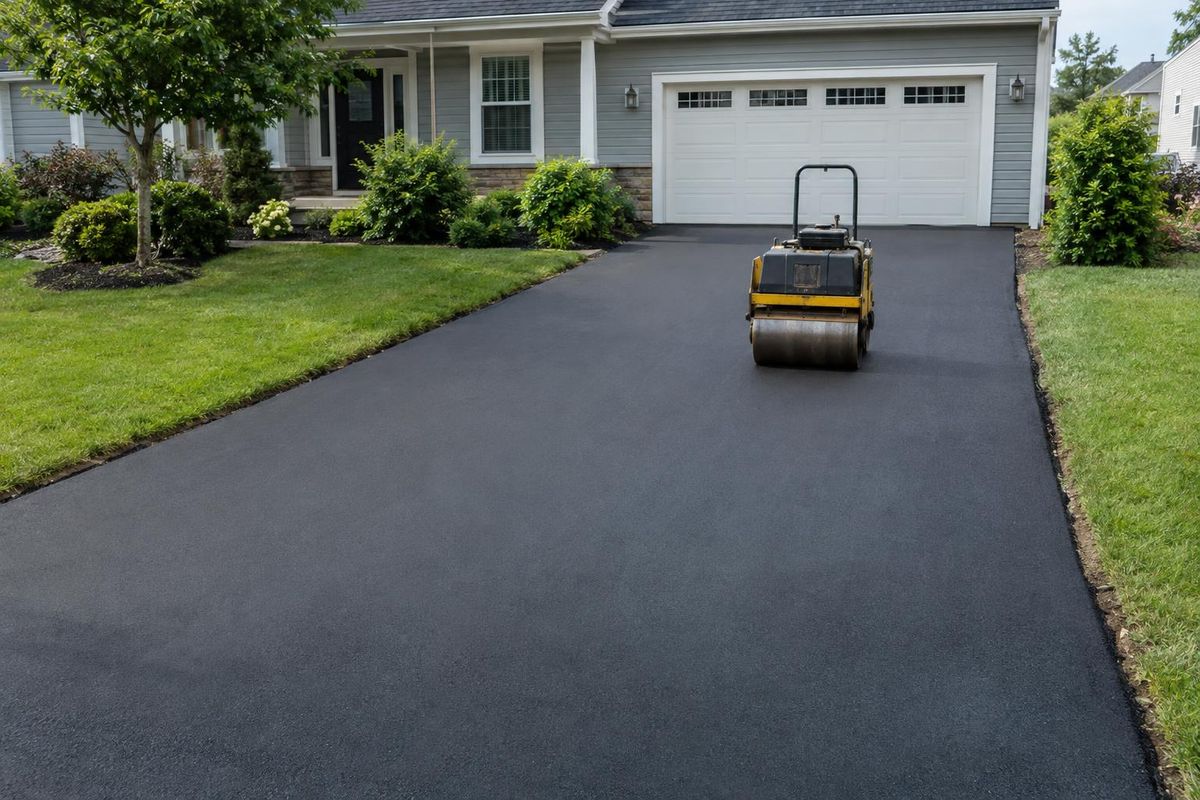
- New asphalt needs time to cure before it is sealed.
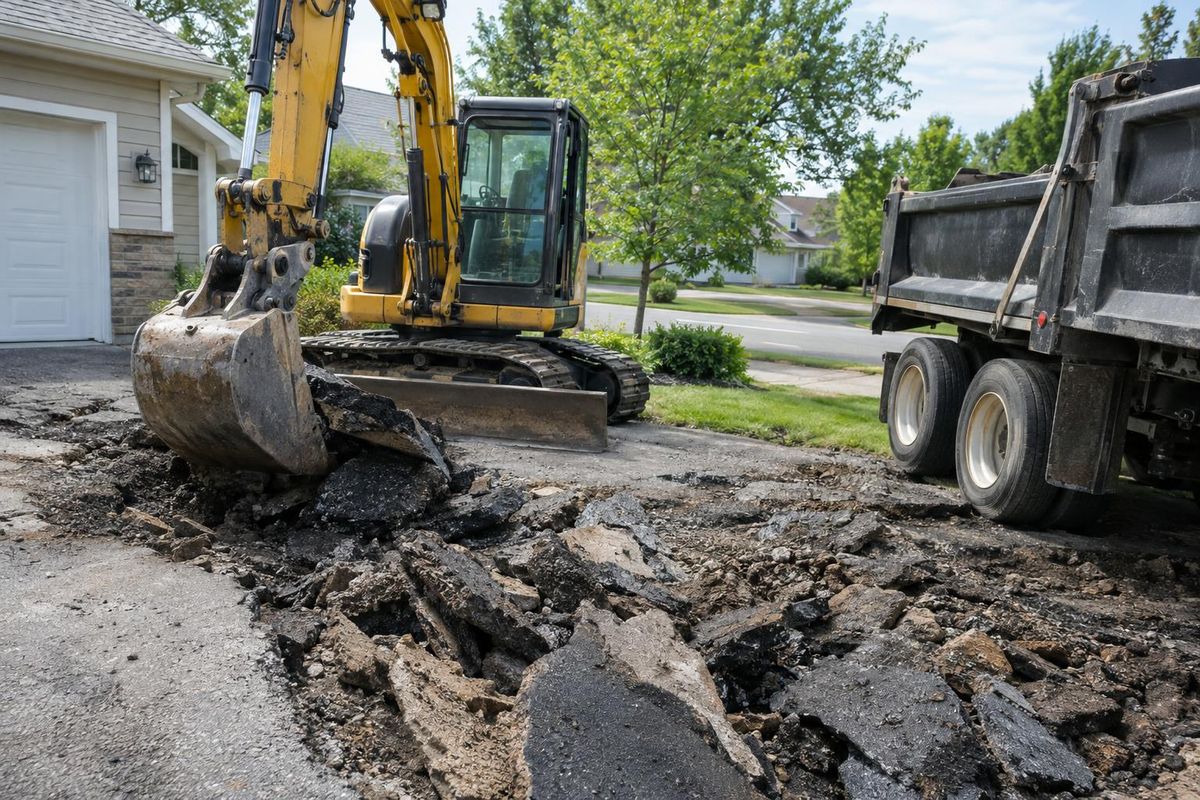
- Maintenance is easier than rebuilding.
What sealcoat is
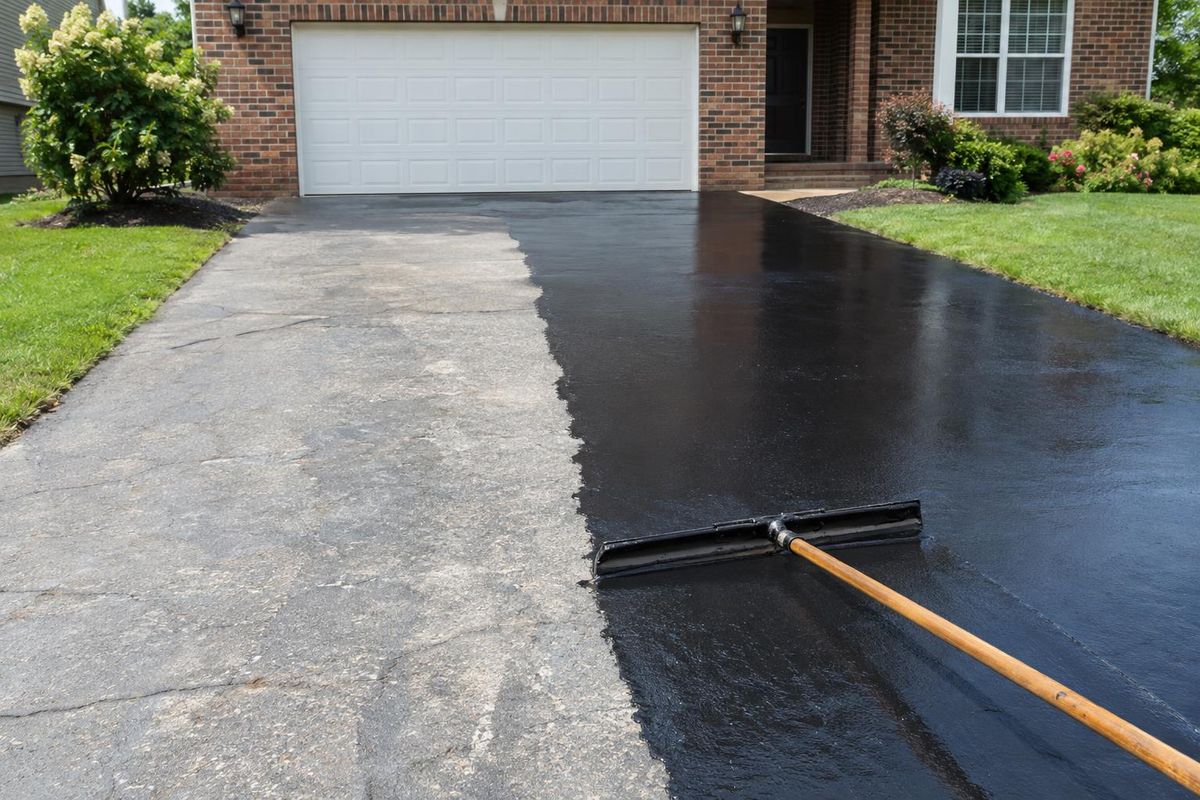
Sealcoat is a water-based coating made from asphalt emulsion or coal-tar-free alternatives, along with fillers and additives. It forms a thin protective film over the surface, which slows oxidation, resists water and blocks oil and fuel from softening the asphalt.
It also renews the deep black color that fades with sun exposure.
What it does not do
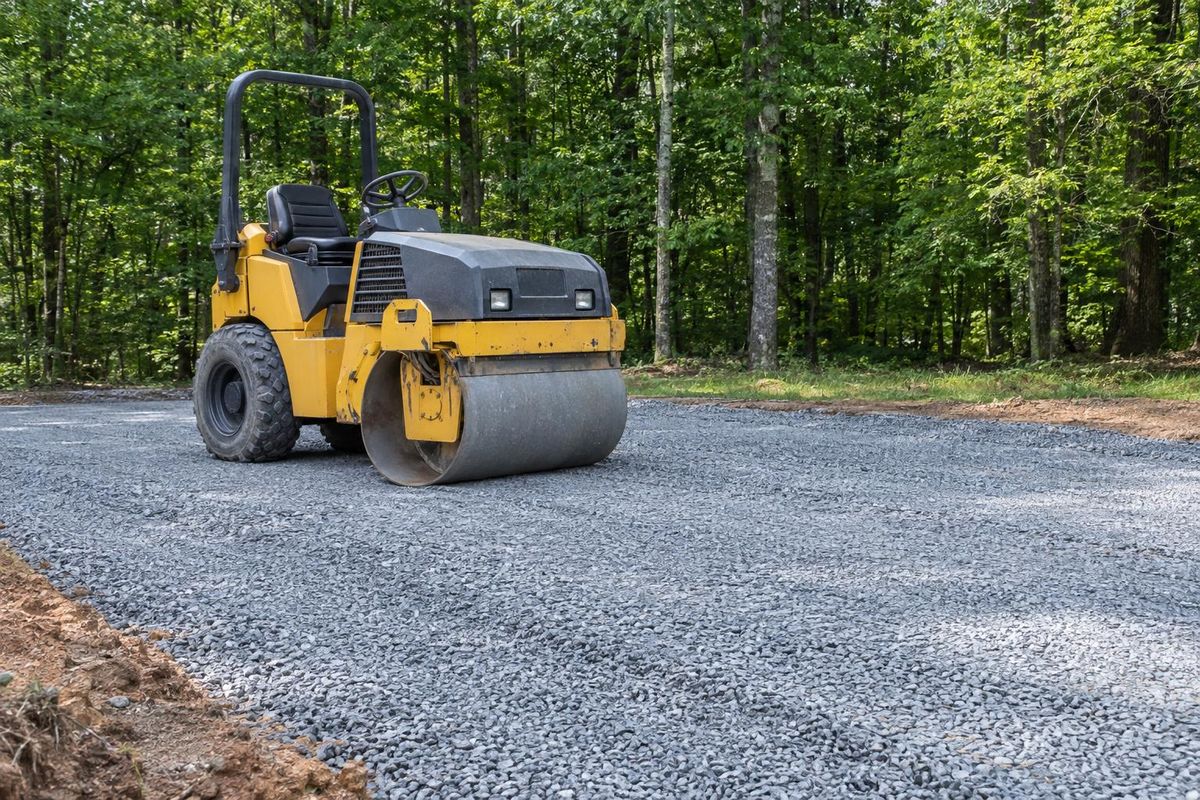
Sealcoat does not fill deep cracks, fix potholes or strengthen a weak base. Those problems need crack sealing, patching or base repair first. Sealcoating over damage hides it briefly and then wears away.
It also makes the surface slightly slicker when new, so we advise when to use it and when to wait.
When to apply it
New asphalt should cure for a number of months before it is sealed, so the oils and light fractions can evaporate. After that, many owners reseal every two to four years, based on traffic, sun exposure and the product used.
Application needs dry weather and temperatures that allow the sealer to cure, so spring and fall work well.
How to prepare
Good prep makes the difference: cleaning, weed removal, oil spot treatment and crack filling. The surface has to be dry, and cars have to stay off until it cures, usually 24 to 48 hours.
We give you specific instructions each time, because weather changes the cure time.
Quick answers
Is sealcoating necessary?
It is optional, but it protects the surface and extends its life, especially in sunny areas. It is part of many maintenance programs.
How soon can I sealcoat new asphalt?
Wait until it has cured, often several months. We advise based on the season and the mix.
Will sealcoat fix cracks?
No. Seal cracks first, then apply sealcoat over the whole surface.